
The Similan Islands Archipelago offers probably the best live aboards boats in Thailand. Therefore, it comes as no surprise that this is by far the best way to explore multiple islands and scuba diving spots. The Similan Islands liveaboards boats are famous in Thailand and the rest of the dive world. Liveaboard means you are living, eating, working, partying and relaxing on a boat that travels around in one area for example in the Andaman Sea around the Similans. Work is not actually work since you are just helping the sailboat to maintain its course by adjusting the sail or take over the rudder from the captain. We can recommend exploring the Similan Islands via a liveaboard trip, because you will enjoy the sea and adventure into the calm and beautiful waters of the Andaman Sea.
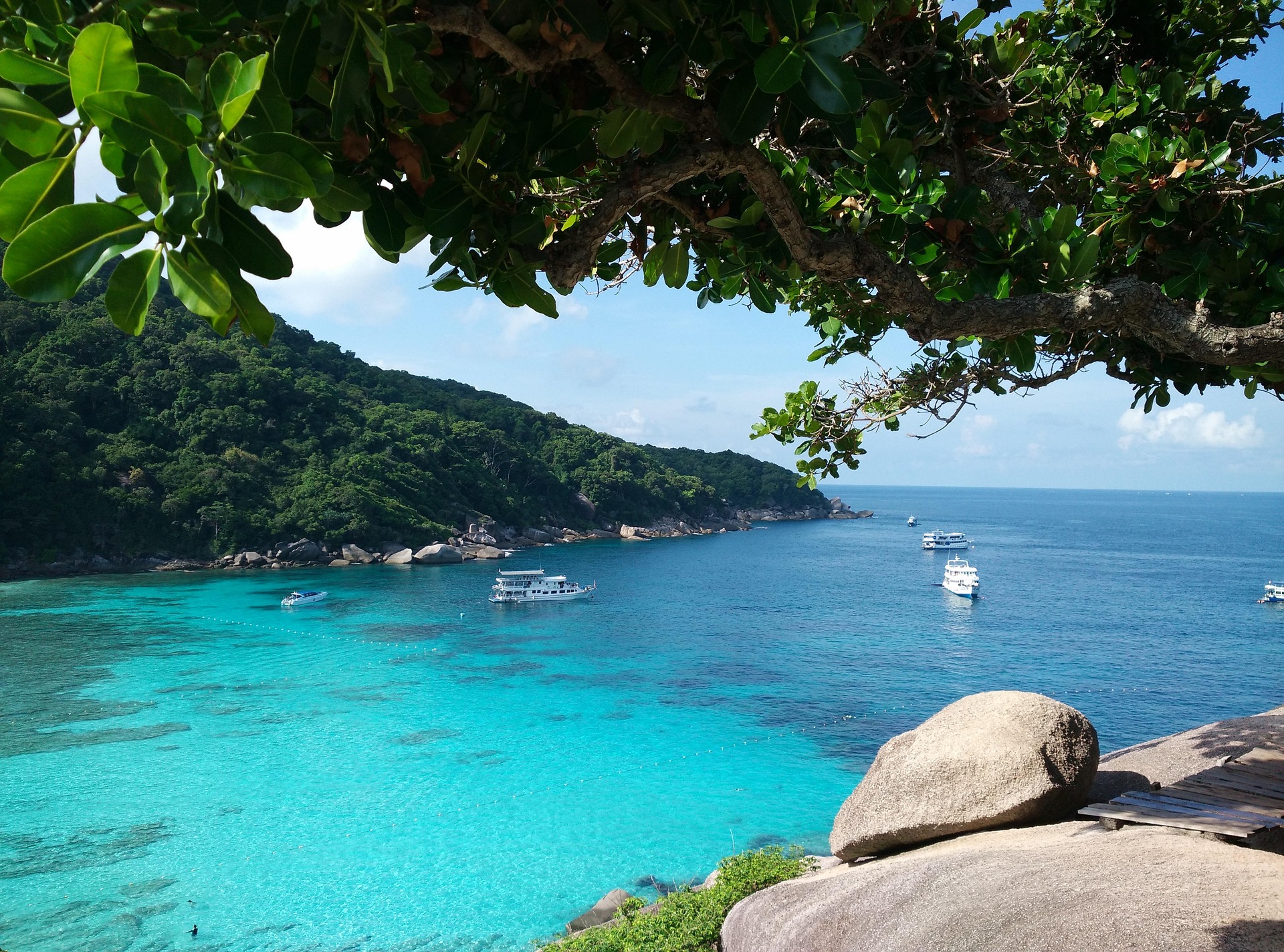
For current bookings, compare a crewed dive-boat itinerary rather than assuming the sailing duties described below. Visitors cannot substitute an island bungalow for a night aboard. The route, cabin and booking notes explain what to confirm for a trip today.
Similan Islands livaboard tours
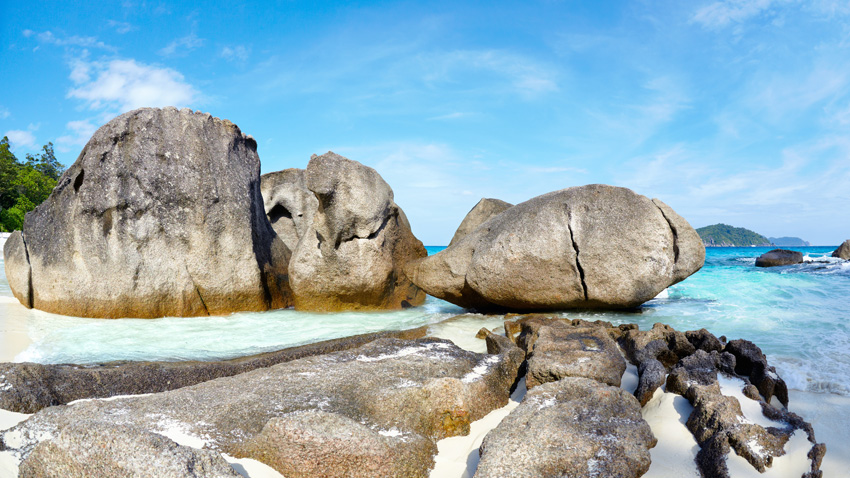
Most Similan liveaboard trips are focused on scuba diving. So if you are a diving enthusiast a liveaboard boat is the best option to discover the Similan reefs and underwater plateaus. It is also possible to participate in PADI or Advanced Open Water scuba diving courses via these boat trips. Yet, if you are searching for a PADI boat please be aware that most boats are for experienced divers and you should specifically ask for a beginner liveaboard boat while booking. The Similan Liveaboard dive trips are one of the diving highlights of Thailand since they travel fast between multiple top notch diving spots. Nevertheless, if you don’t like to scuba dive you can always take your snorkel gear and discover the reefs from the water surface. This way both divers and snorkelers have the best experience of their lives.
Similan liveaboard touroperators
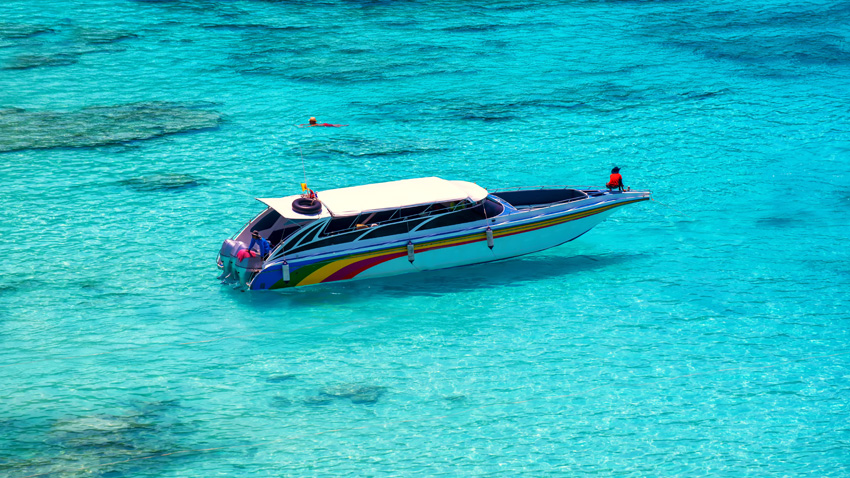
The Similan National Park doesn’t offer any liveaboard boats or tours but we can recommend some services of local tour operators. These operators respect the National Park and help promote the sustainability of the reefs and waters surrounding it. We strongly recommend booking with one of these agencies as they are trusted and will ensure a fantastic experience without damaging our fragile nature biosphere. The best Similan liveaboard touroperators are Wicked Diving, Khao Lak Scuba Adventures, Sunrise Divers, Seadragon divecenter and West coast divers. Please notify us if one of these Similan liveaboard trips is violating the Mu Ko Similan National Park rules, as we keep high standards and don’t want to promote companies that harm our flora or fauna. Most liveaboard boats depart from the mainland harbors of Khao Lak (Thap Lapu), Patong (Phuket) or Ranong. You can book various diving trips online, we only recommend booking them in advance since the tours are very popular. If you don’t want to visit the Similan Archipelago via a liveaboard tour you can always book accommodation on the Island of Koh Similan, Koh Tachi or Koh Koh Meang. You can find more information about accommodation here.
What can you expect on a liveaboard tour?
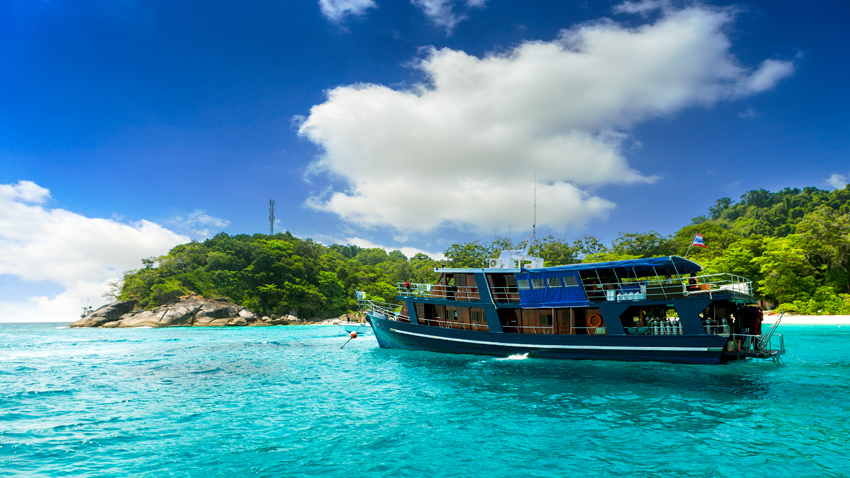
How does a typical Similan liveaboard tour looks like? You will leave from the mainland of Thailand or Phuket Island with a reasonable sized boat (can be a sailboat) to visit multiple diving spots, islands and other landmarks n the Mu Ko Similan National Park of Thailand. Most liveaboard tours take up to 4-5 nights where you live, eat, work, and dive from the boat. You travel around and help the sailteam where necessary or not if you are lazy. You sleep in a cabin that fits your needs and are able to rent dive gear from the operators. Most operators already facilitate all these items in their package price, if you bring your own bargain down the price. Keep in mind that you will probably not be able to leave the boat for a few days! Some liveaboard trips will visit the Similan Islands others will only visit the reefs surrounding them. If you need medicine or have dietary needs please inform the company and take pre-cautions to ensure a safe and fun travel for everybody. We are sure that a trip while living on a boat through the Similan Islands is one of the stories you will tell for many years at home. But remember play it safe and keep it cool!
Similan Islands liveaboard diving tours are ranked number #1 in Thailand!
Thailand liveaboard
While the Similan liveaboard trips are the most famous in Thailand there are various other places in our beautiful country where you can book similar tours. In the Golf of Thailand many liveaboard boats operate on a daily basis visiting other beautiful reefs and islands. You can visit Koh Toa, Koh Phangan, Krabi, Koh Samui, Koh Lanta with liveaboard diving tours. Not sure which island you want to visit? Check out this page where we show you the best of Thailand’s islands.
Choose the route before the cabin
A “Similan liveaboard” can cover the central islands alone or continue to Koh Bon, Koh Tachai and Richelieu Rock. Richelieu belongs to Mu Ko Surin National Park. Check the named sites and parks rather than assuming that every departure with the same regional label follows the same course.
Count diving days separately from nights aboard. Manta Queen 1, for example, advertises five days and four nights with 15 dives; the first day is an evening embarkation. Shorter stays also exist, but a two-day booking should not be assumed to include the full northern route. Ask which sites fall on the dates you would actually be aboard.
Compare the complete cost
Put the cabin fare beside equipment hire, park charges, nitrox, computer rental and transfers. The same item can be included on one boat and charged separately on another. If you bring your own equipment, ask about storage and any relevant baggage arrangements rather than assuming a discount.
For a shared cabin, check the number of berths, bathroom arrangement and whether the advertised fare depends on sharing. For a private cabin, confirm whether the amount shown is per person or for the cabin. Dietary needs should be agreed before boarding, while there is still time to arrange supplies.
Who is the trip designed for?
Send your certification level, logged-dive count and date of last dive to the operator. Requirements vary. The Junk publishes an Open Water qualification and at least ten logged dives as its baseline, while individual itineraries can impose further conditions. Acceptance aboard does not mean every dive will suit your experience.
For a non-diving companion, ask what they can actually do during the diving day: supervised snorkelling, shore visits, or time aboard. Check the snorkelling guide before treating these as interchangeable activities. A boat may welcome a non-diver without offering a separate snorkelling programme.
The nights before and after
Confirm whether you join at a mainland pier or transfer to a boat already at sea. Book mainland accommodation around the real check-in and return arrangements. Leave an appropriate interval between the last dive and your flight, following your dive operator’s requirements and qualified diving guidance; the boat’s arrival time is not the time of your last dive.
Questions to settle before paying a deposit
Does a liveaboard include all equipment?
Not automatically. Ask for a written breakdown covering the dive computer, suit, regulator, buoyancy equipment and any nitrox charges, as well as tanks and weights.
Must I have Advanced Open Water?
There is no single operator requirement for every itinerary. Some boats accept Open Water divers subject to experience or additional training; others require qualification for deeper dives. Confirm your eligibility for the exact departure.
Can I join for only one night?
Some operators offer shorter stays. Check the transfer method, available dates and included sites; joining part of a longer itinerary does not recreate the complete route.
Will a Koh Tachai stop include its beach?
Do not assume so. A named dive stop offshore does not establish permission to land. Ask what “Koh Tachai” means in the programme you are buying.
Can I sleep on an island instead?
Current visitor arrangements do not offer island overnight accommodation. A liveaboard provides a bed on a boat. For a land-based stay, compare accommodation on the mainland.